
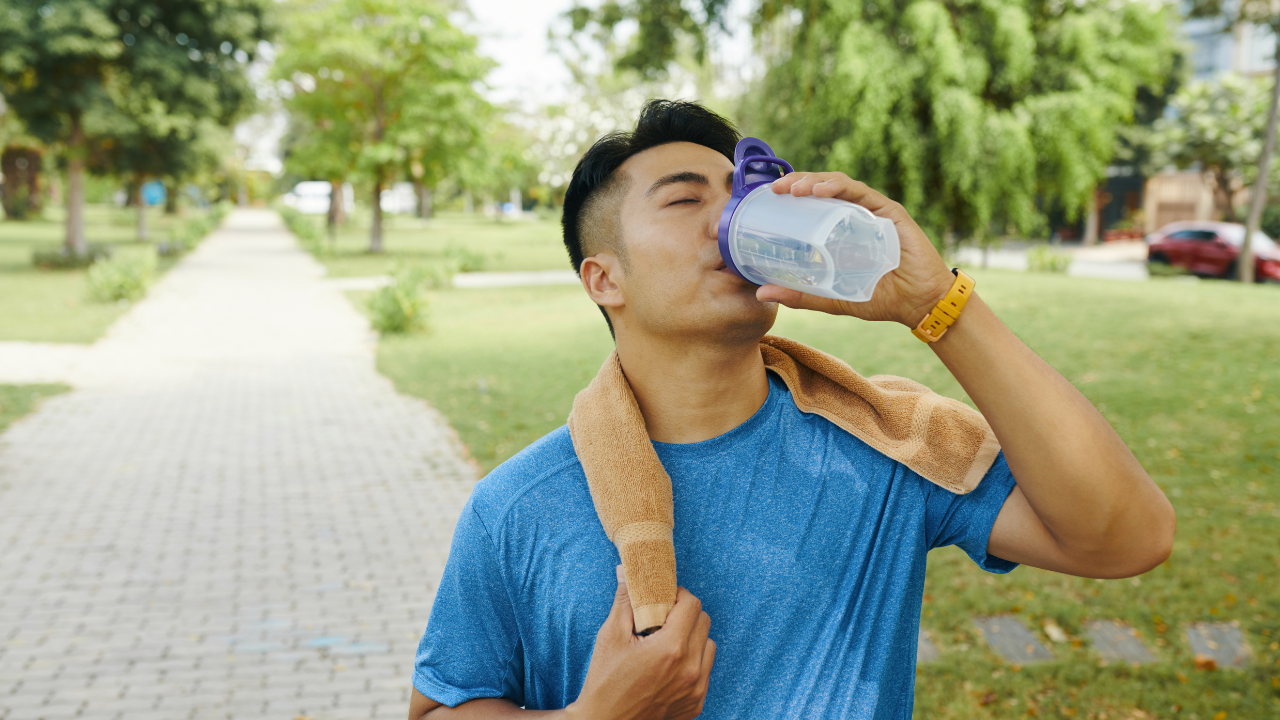
Is It Better to Drink Water While Walking?
An Evidence-Based Hydration Strategy Guide
Yes—drinking water during walking is generally better than not hydrating. However, how much and how often you should drink depends on the duration, intensity, environmental conditions, and your individual sweat rate. Sports medicine research consistently shows that appropriate hydration supports physical performance, thermoregulation, and cognitive function, even during moderate activities like walking.
Why Hydration During Walking Matters
Walking may feel low-impact, but it still triggers fluid loss through sweat and respiration. These losses increase with:
-
Longer duration
-
Faster pace
-
Hot or humid weather
-
High altitude
-
Larger body size or higher sweat rate
Even mild dehydration—around 2% of body weight—has been shown to:
-
Reduce endurance and work capacity
-
Increase heart rate and perceived effort
-
Impair coordination, mood, and concentration
-
Reduce heat tolerance
Importantly, thirst is a delayed signal. By the time you feel thirsty, you may already be significantly dehydrated. Studies show thirst often lags behind fluid loss by 1–1.5 liters, meaning performance and comfort can decline before your body prompts you to drink.
The Physiological Role of Water During Walking
Water is not just “fuel”—it is a functional necessity. During walking, adequate hydration supports:
-
Thermoregulation: Sweat evaporation is the body’s primary cooling mechanism
-
Cardiovascular efficiency: Dehydration thickens blood, increasing cardiac strain
-
Muscle function: Fluids help transport oxygen and glucose to working muscles
-
Joint lubrication: Synovial fluid relies on adequate hydration
-
Electrolyte balance: Sodium, potassium, and magnesium regulate muscle contraction and nerve signaling
When fluids are not replaced, the body compensates by reducing sweat output and skin blood flow—raising core temperature and accelerating fatigue.
Evidence-Based Hydration Guidelines for Walking
During-Walk Hydration Recommendations
| Walk Duration & Conditions | Hydration Strategy | Notes |
|---|---|---|
| < 60 minutes, low intensity, cool weather | Optional if well-hydrated beforehand | Pre-hydration is usually sufficient |
| 60–90 minutes, moderate pace | 7–10 oz (200–300 mL) every 15–20 minutes | Plain water is adequate |
| > 90 minutes, warm or humid | 16–32 oz (500–950 mL) per hour | Add electrolytes if >2 hours |
| Hot, humid, high altitude | Increase volume + sodium | Sweat rate and sodium loss rise sharply |
Sports drinks containing 6–8% carbohydrates and 20–50 mmol/L sodium outperform plain water during long walks by improving fluid absorption, maintaining blood glucose, and reducing fatigue.
Pre-Walk Hydration: Setting the Baseline
Starting hydrated is critical. Research-supported guidelines recommend:
-
16–20 oz (500–600 mL) about 2 hours before walking
-
8 oz (250 mL) about 10–20 minutes before starting
This timing allows for absorption while minimizing stomach discomfort and excess urination.
Optimal Drinking Pattern While Walking
The most effective strategy is frequent, small sips, not large, infrequent gulps.
-
7–10 oz (200–300 mL) every 15–20 minutes
-
Gastric emptying during moderate exercise averages ~1 liter per hour
-
Drinking too much at once can cause bloating and slow absorption
Cool fluids (about 13–15°C / 55–59°F) empty from the stomach faster than warm drinks and are often perceived as more refreshing, encouraging consistent intake.
When Electrolytes Become Important
Plain water is sufficient for short walks, but longer or hotter sessions increase sodium loss through sweat. Sodium is essential because it:
-
Enhances water absorption in the small intestine
-
Reduces urine output, improving fluid retention
-
Helps prevent muscle cramps
-
Maintains the thirst drive, preventing under-drinking
If walking longer than 2 hours, or if you notice salty sweat or white residue on clothing, electrolyte supplementation is strongly recommended.
Avoiding Overhydration
While dehydration is more common, excessive water intake can cause exercise-associated hyponatremia, a dangerous dilution of blood sodium.
Key safeguards:
-
Do not exceed 48 oz (1.4 L) per hour
-
Avoid drinking “as much as possible”
-
A simple rule: you should not gain weight during exercise
Weight gain after walking indicates overhydration.
Post-Walk Rehydration: Completing the Cycle
Rehydration does not stop when the walk ends.
-
Drink 16–24 oz (500–750 mL) for every pound (0.45 kg) of body weight lost
-
Include sodium via sports drinks, broth, or salty foods
-
Sodium speeds fluid retention and restores plasma volume more effectively than water alone
Complete rehydration typically takes 2–6 hours, depending on deficit size.
When Drinking During Walking Is Essential vs. Optional
| Scenario | During-Walk Hydration |
|---|---|
| Casual walk, <45 min, cool weather | Optional |
| Fitness walk, 60–90 min | Essential |
| Long walk, >90 min | Essential + electrolytes |
| Hot, humid, or high altitude | Essential, increased volume |
| Fasted or morning walks | Strongly recommended |
Bottom Line
Drinking water during walking is scientifically supported and performance-enhancing—especially for walks longer than an hour, in warm conditions, or at higher intensity. While short, casual walks may not require mid-walk hydration if you start well-hydrated, most people benefit from regular fluid intake.
The smartest strategy is not “drink more,” but drink appropriately—matching fluid and electrolyte intake to your walk’s duration, intensity, environment, and personal sweat rate.
Hydration isn’t just about comfort—it’s about efficiency, safety, and sustaining performance.