

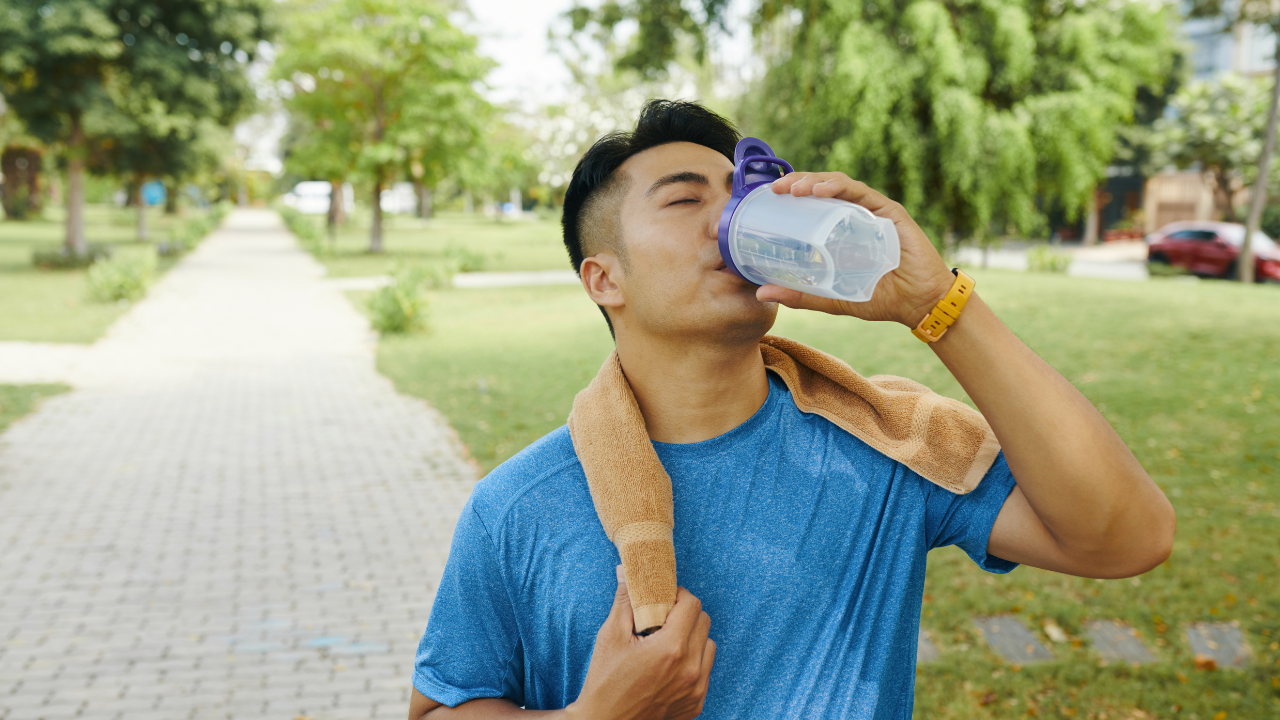
Is It Better to Drink Water During Walking? A Hydration Strategy Guide
Yes, drinking water during walking is better than not hydrating, though the necessity and frequency depend on the duration, intensity, and environmental conditions of your walk. This is supported by extensive sports medicine research and physiological evidence. Here’s what the science shows:
Physiological Benefits of Hydration During Walking
Water consumption during walking provides critical thermoregulatory and metabolic functions. During physical activity, your body loses fluids through sweat and respiration—processes that accelerate depending on intensity, environmental temperature, and humidity. Even brief dehydration impairs performance, energy levels, and cognitive function.
Water plays multiple essential roles: it regulates core body temperature through evaporation, transports oxygen and nutrients to working muscles, lubricates joints, and enables electrolyte balance (sodium, potassium, magnesium), which prevents muscle cramping and maintains contractile function.
When you don’t replace these fluid losses, even mild dehydration of 2% body weight can measurably reduce physical performance, increase perceived effort, elevate heart rate, and compromise mental alertness. Your body does not reliably signal thirst until fluid losses exceed 1.5 liters—well after dehydration has begun to affect function.
Evidence-Based Hydration Guidelines for Walking
The frequency and volume of water intake should scale with walk duration and intensity:
| Duration | Hydration Strategy | Notes |
|---|---|---|
| Less than 60 minutes, low intensity | Plain water only; optional if well-hydrated beforehand | Short walks in moderate conditions rarely require during-activity hydration if pre-hydration is adequate |
| 60–90 minutes, moderate intensity | 7–10 oz every 10–20 minutes; plain water sufficient | Aim for 200–300 mL every 10–20 minutes |
| Over 90 minutes or hot/humid conditions | 16–32 oz per 30–60 minutes; consider electrolyte drink if duration exceeds 2 hours | Sports drinks (6–8% carbohydrate, 20–50 mmol/L sodium) outperform plain water for extended activity |
Pre-walk hydration establishes a baseline: drink 16–20 ounces (500–600 mL) approximately 2 hours before walking, with an additional 8 ounces 10–20 minutes before starting. This allows full absorption without discomfort.
Practical Implementation: Frequency and Volume Considerations
The optimal drinking strategy emphasizes frequent, small sips rather than infrequent large volumes. Taking 7–10 ounces (200–300 mL) every 15–20 minutes allows your stomach to remain comfortably full while gastric emptying remains efficient. This frequency prevents the bloating and gastrointestinal distress that can occur from consuming too much fluid at once—your stomach can empty only approximately one quart (946 mL) of fluid per hour during moderate exercise.
For walking, cool beverages (13–15°C) are absorbed faster than room-temperature water. If your walk exceeds 2 hours or occurs in hot/humid conditions, add a sports drink containing 6% carbohydrate and electrolytes (particularly sodium) rather than plain water alone. Sodium is critical because it:
-
Enhances water absorption in the small intestine
-
Helps you retain fluids rather than losing them via urine
-
Sustains the thirst signal to encourage continued drinking
When Water During Walking Is Essential vs. Optional
| Scenario | Need for During-Walk Water |
|---|---|
| Casual walk, <45 min, cool weather, well-hydrated beforehand | Optional—rely on pre-hydration |
| Fitness walk, 60–90 min, moderate pace, warm weather | Essential—sip 200–300 mL every 15–20 min |
| Long walk, >90 min, hot/humid, or intense pace | Essential—16–32 oz per 30–60 min + electrolytes if >2 hours |
| High-altitude walk or extreme heat | Essential—increase volume and sodium |
Avoiding Over-Hydration
While dehydration is the primary concern, excessive fluid intake can cause hyponatremia (dangerously low blood sodium). Avoid consuming more than 48 ounces per hour. A practical safeguard: you should not gain weight during exercise; if you weigh more at the end of a walk than at the start, you are drinking too much.
Post-Walk Rehydration
After walking, continue hydration to restore fluid balance. Drink 16–24 ounces of fluid for every pound of body weight lost during exercise (determined by weighing yourself before and after). Including sodium in post-walk fluids (electrolyte drinks, sports drinks, or salted snacks) accelerates rehydration by maintaining plasma sodium levels and sustaining thirst signals.
Bottom line:
Drinking water during walking is beneficial and evidence-based—particularly for walks lasting longer than an hour, in warm conditions, or at higher intensity. For casual, short walks in moderate conditions with proper pre-hydration, it’s optional. The key is matching hydration strategy to your specific walk’s duration, intensity, environment, and individual sweat rate.
